Quick Answer
A parallel card is a rarer version of a base card. It has the same player, photo and card number, but a different color, finish or border. Some parallels are serial numbered (stamped like 12/99), which tells you exactly how many exist. A 1/1 means only one copy was made. Refractors are shiny parallels found on chrome cards.
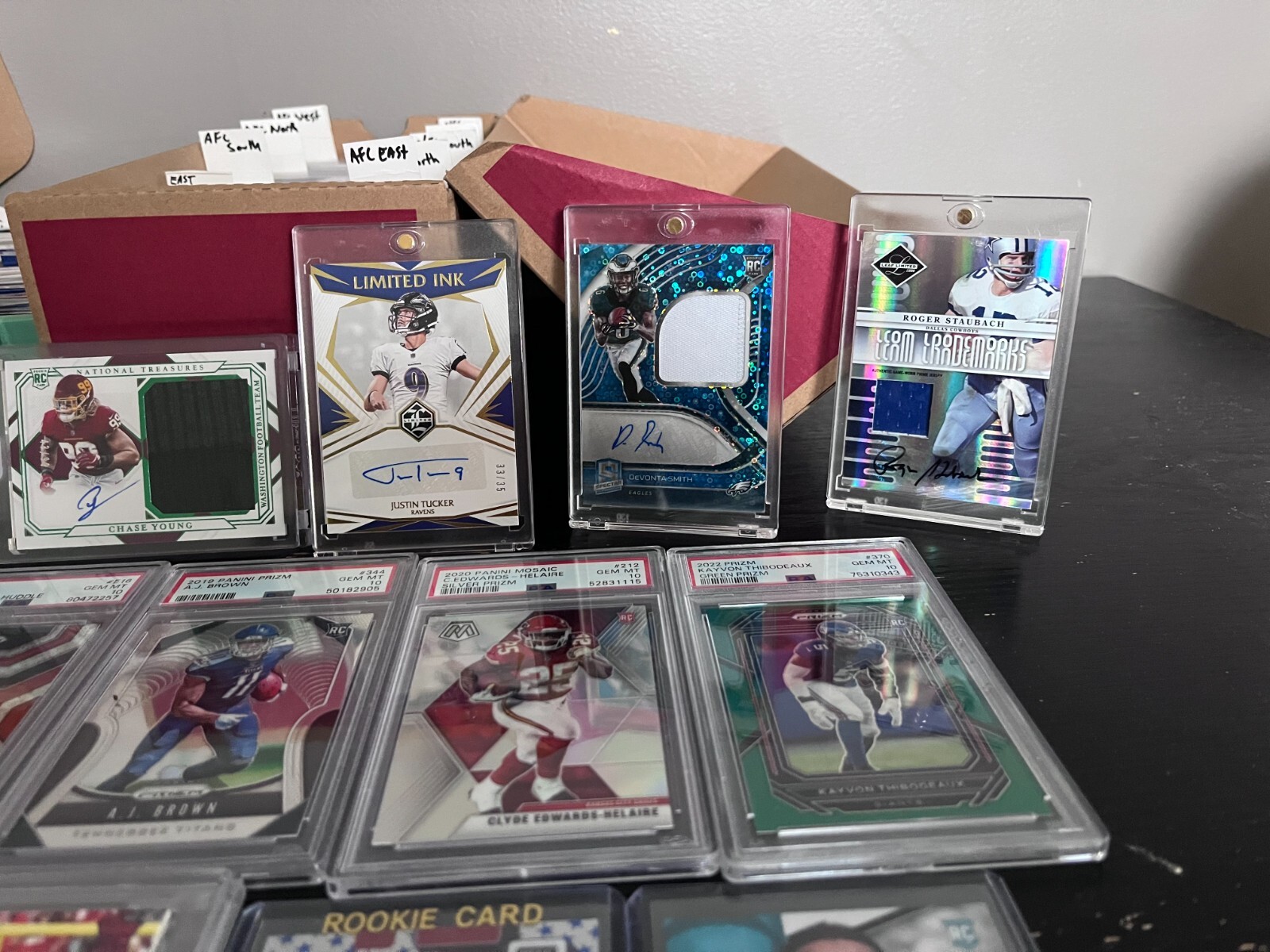
You open a pack and pull a card that looks almost exactly like one you already have, except this one is gold, or has a rainbow shine, or has a little number stamped on the back. That’s a parallel, and it’s one of the most exciting things you can pull from a pack.
Parallels are also one of the most confusing parts of collecting for new collectors and parents. This guide explains what parallels are, how numbered cards work, what refractors and 1/1s are, and how to tell what you pulled.
What Is a Parallel Card?
Every modern card set starts with a base set: the standard version of each card. A parallel is a copy of a base card that has been changed in some way, usually with a colored border, a special foil or a shiny finish. The player, photo and card number stay the same. That’s why it’s called a parallel: it runs parallel to the base set.
Parallels are printed in smaller quantities than base cards, so they’re harder to pull. Card companies use them to make opening packs more exciting, because any card in the set might come in a rare color.
Unnumbered vs Numbered Parallels
Unnumbered parallels
Some parallels have no serial number. They’re rarer than base cards, but the company doesn’t say exactly how many were printed. Examples include Silver Prizms in Panini Prizm and basic Refractors in Topps Chrome. Many retail boxes have their own unnumbered parallels you can only find in that format, like the Green Ice Prizms in 2026 Panini Prizm WNBA Blaster boxes.
Numbered parallels
Numbered parallels have a serial number stamped on the card, usually on the back or front, like 23/99. The second number is the print run: only 99 copies exist. The first number is which copy you have. A card numbered 23/99 is the 23rd of 99.
Lower print runs mean rarer cards. A card numbered to 10 is much harder to pull than one numbered to 299. Here’s how a typical rainbow of numbered parallels might look in a modern set:
| Parallel example | Typical print run | How rare |
|---|---|---|
| Base card | Not numbered | Most common |
| Silver or Refractor | Not numbered | Uncommon |
| Blue | /150 to /199 | Rare |
| Green | /99 | Rare |
| Gold | /50 | Very rare |
| Orange | /25 | Very rare |
| Red | /5 | Extremely rare |
| Black or SuperFractor | 1/1 | Only one exists |
Colors and numbers vary from set to set. Each set guide lists that set’s exact parallels.
What Is a 1/1 Card?
A 1/1, said “one of one,” is a card that exists only once. It’s usually the top parallel in a set, and pulling one is a big moment. Famous 1/1 parallels include the SuperFractor in Topps Chrome, Black Finite in Panini Prizm, Gold Vinyl in Prizm and Rose Gold Mojo Refractors in Bowman Mega boxes. Printing plates, the metal plates used to print each card, are also 1/1s, with one plate for each ink color.
What Are Refractors?
Refractors are parallels printed on chrome card stock with a rainbow, light-bending finish. Tilt one under a light and it shines in a way a base chrome card doesn’t. Topps introduced refractors in the 1990s, and today they’re the core of sets like Topps Chrome, Bowman Chrome and Topps Cosmic Chrome.
Chrome sets have many kinds of refractors:
- Color refractors: Blue, Green, Gold, Orange and Red refractors, usually numbered.
- Pattern refractors: Wave, Shimmer, Mojo, Speckle and other textured finishes.
- Format exclusives: Some refractors only appear in one box type, like the Mojo Refractors in 2026 Bowman Football Mega boxes.
- SuperFractors: The gold, swirled 1/1 at the top of most Topps Chrome rainbows.
Panini’s version of the refractor is the Prizm, which is why its parallels are called Silver Prizms, Gold Prizms and so on.
How to Tell If You Pulled a Parallel
- Compare it to a base card. Put the card next to a base card of the same set. A different border color, foil pattern or shine means it’s a parallel.
- Look for a serial number. Check the front and back for a stamped number like 05/50. It’s often in foil, near the bottom or on the back.
- Tilt it under a light. Refractors and Prizms shine with a rainbow effect when you move them.
- Check the set checklist. Our set guides list every parallel, print run and which boxes they come in, so you can figure out exactly what you have.
Why Do Parallels Matter?
Parallels are rarer, so collectors usually pay more for them. That’s especially true for numbered parallels of star players and rookies, and for numbers that match something special. Collectors love “jersey number” parallels, where the serial number matches the player’s jersey, like a 23/99 of a player who wears 23. The first copy (1/99) and the last copy (99/99) are popular too.
Some collectors also chase a whole rainbow: every parallel of one player’s card in a set, from base to 1/1. It’s a fun long-term goal for a favorite player.
Pulled a low-numbered parallel? Protect it right away in a penny sleeve and top loader, and read our guide to which cards are worth grading before you send it in.
Parallels vs Inserts vs Short Prints
- Parallel: a rarer version of a base card.
- Insert: a separate card with its own design and checklist, like Kaiju in Topps Chrome Football or Downtown in Donruss. Inserts can have parallels too.
- Short print (SP): a base card or variation printed in smaller numbers, often with a different photo. Super short prints (SSPs) are even rarer.
Chase Parallels at the Card Chase Truck
Every box on the Card Chase truck comes with a shot at parallels, and many retail boxes have colors you can’t find anywhere else. Check what’s on the truck, look up each set’s parallels in our set guides, and use the free Card Chase App to see which boxes score best for chasing color. We set up at card shows and events around Cincinnati, Dayton and Columbus, and you can open your packs right at the window. Find us on the events calendar.
Frequently Asked Questions
What is a parallel card?
A parallel is a version of a base card with a different color, finish or border. It shows the same player and photo as the base card but is printed in smaller quantities, which makes it rarer.
What does /99 mean on a card?
A card marked /99 is serial numbered to 99, meaning only 99 copies exist. The stamped number, like 23/99, tells you which copy you have.
What is a 1/1 card?
A 1/1, or one of one, is a card where only a single copy exists. It’s usually the rarest parallel in a set, such as a SuperFractor in Topps Chrome or a Black Finite in Panini Prizm.
Is a refractor the same as a parallel?
A refractor is a type of parallel found on chrome cards. It has a rainbow, light-bending finish. Many sets also have colored refractors that are serial numbered, like Gold Refractors numbered to 50.
Are parallels worth more than base cards?
Usually, yes. Because parallels are rarer, collectors pay more for them, especially numbered parallels of star players and rookies. The lower the print run, the more desirable the card tends to be.
What is the difference between a parallel and an insert?
A parallel is a rarer version of a card in the base set. An insert is a separate card with its own design and checklist, like Topps Chrome’s Kaiju or Panini’s Downtown. Inserts can have their own parallels too.

Written by
David Clemens · Co-Founder & Chief Brand Officer
David is a co-founder and Chief Brand Officer of Card Chase. He writes beginner guides, Pokémon content and posts for collecting families.