Quick Answer
To start collecting sports cards, pick one focus (a team, a player, a sport or a set), set a monthly budget, and start with affordable retail products like blasters, value boxes and fat packs before buying hobby boxes. Protect every card you care about with a penny sleeve and a top loader, learn a few hobby terms, and buy from a trusted seller. Most of all, collect what you enjoy.
Sports cards are one of the easiest hobbies to start. You can open your first pack for a few dollars, and a single rip can turn into a lifelong habit. But walk into a card shop or scroll a card website for the first time and it can feel like a foreign language: hobby boxes, parallels, refractors, RCs, slabs.
This guide keeps it simple. Whether you are a brand-new collector, a parent buying for a kid or someone coming back to the hobby after 20 years, here is how to start collecting sports cards without wasting money.
Step 1: Decide Why You Want to Collect
Ask yourself what sounds fun. There is no wrong answer, but your answer shapes what you buy.
- For fun and ripping packs: You enjoy the surprise of opening packs. Retail boxes and fat packs are perfect.
- For a favorite team or player: You want every Bengals, Reds or Cavaliers card you can find. Singles and team sets make the most sense.
- For set building: You want to complete a full base set, like Topps Series 1 baseball. Value boxes and hobby boxes help.
- For the chase: You want autographs, numbered cards and big rookie cards. Hobby boxes and singles are the way.
Many collectors do a little of everything. That is fine. Knowing your main reason just keeps you from buying things you do not care about.
Step 2: Pick a Focus
The hobby is huge. Thousands of new cards come out every month across baseball, football, basketball, hockey, soccer, the WNBA and more. Nobody can collect it all, so pick a lane.
Good first focuses include your hometown team, one favorite player, the current rookie class in your favorite sport, or one flagship set each year. Ohio collectors have plenty of local options: the Reds and Guardians in baseball, the Bengals and Browns in football, and the Cavaliers in basketball.
Step 3: Set a Budget
Set a monthly number before you buy anything, and stick to it. Opening packs is exciting, and it is easy to keep buying “just one more.” A budget keeps the hobby fun.
Here is a simple way to think about it:
- Under $10: Fat packs and single packs. Our truck carries Topps fat packs for $6.99 and Pokémon packs starting at $4.99.
- $15 to $50: Blasters, value boxes and holiday tins. For example, a 2026 Topps MLB Holiday Tin is $19.99 and a 2026 Topps NFL Flagship Blaster is $29.99 on our truck.
- $50 to $100: Mega boxes, which give you more cards and often exclusive parallels.
- $150 and up: Hobby boxes, which usually include guaranteed autographs or relics.
All of our truck prices are before tax. If you are not sure about box types, our guide to hobby box vs blaster box vs mega box breaks down what you get in each one.
Step 4: Learn the Basic Terms
You do not need to know every word in the hobby, but a few come up all the time:
- Base card: The standard card for each player in a set.
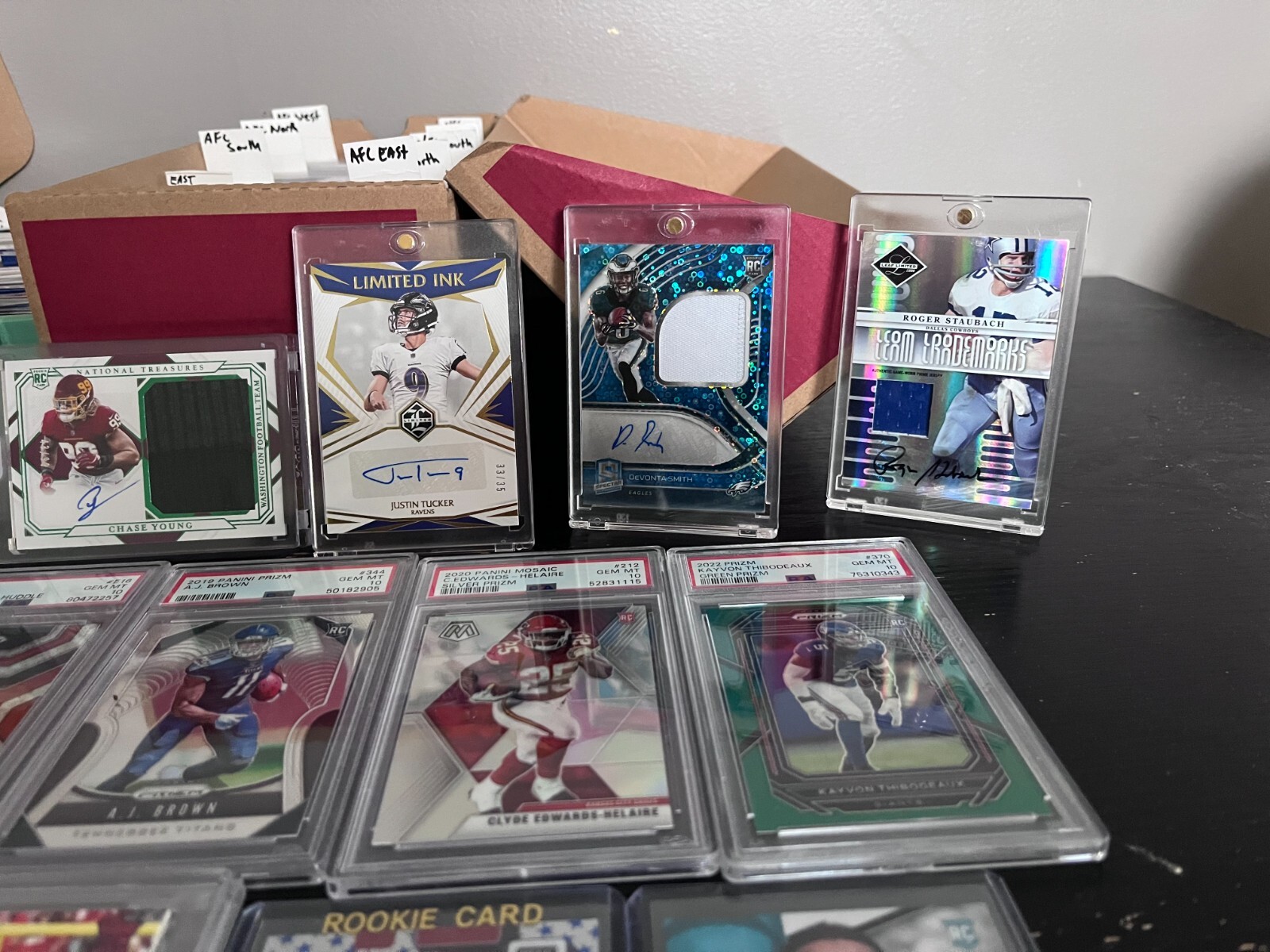
- Rookie card (RC): A player’s first official card. These are usually the most collected.
- Parallel: A version of a base card with a different color or finish. Many are serial numbered, like /99.
- Insert: A special card with its own design, mixed into packs.
- Hit: An autograph, relic (game-used material) or other premium card.
- Slab: A card that has been graded and sealed in a hard plastic case.
For the full list, keep our A to Z sports card terms glossary handy. Our guide to parallel cards explains numbered cards and refractors in more detail.
Step 5: Buy Your First Packs or Boxes
For most beginners, the best first purchase is a retail product from a brand-name set. Topps Flagship, Topps Chrome, Bowman, Panini Donruss and Panini Prizm are all popular and easy to find. Here is a quick way to choose:
- Want lots of cards? Go with a flagship set like Topps Series 1, Topps Update or Topps Flagship Football.
- Want shiny cards and refractors? Go with a Chrome product like Topps Chrome or Bowman Chrome.
- Want prospects? Bowman is the home of baseball prospects. Our Bowman vs Bowman Chrome guide explains the difference.
- Want a gift? Holiday products like Topps Holiday mega boxes and tins are colorful, affordable and made for gift giving.
Buy sealed products from a trusted seller. Resealed or tampered packs are a real problem in the hobby, especially online. A local shop, a card show or a mobile shop like ours lets you see the product in person.
Step 6: Protect Your Cards From Day One
Cards are easy to damage. A bent corner, a scratch or a fingerprint can lower a card’s condition fast. Start with three cheap supplies:
- Penny sleeves for any card you want to keep nice.
- Top loaders for rookies, numbered cards and hits.
- A storage box for base cards, sorted by team or set.
Our beginner’s guide to protecting sports cards covers sleeves, top loaders, magnetic holders and storage in more detail.
Step 7: Learn What Your Cards Are Worth
Sooner or later you will pull something and wonder if it is worth anything. The best way to find out is to look at recent sold listings, not asking prices. Our guide on how to look up sports card values shows you how to do it step by step.
If you pull a big rookie or autograph, you may want to get it graded. Read which cards are worth grading first, because grading costs money and not every card is a good candidate.
Step 8: Connect With Other Collectors
The hobby is more fun with people. Card shows are a great place to trade, buy singles and learn from experienced collectors. Before your first show, read our card show tips so you know what to bring and how to negotiate.
When you are ready to move cards you no longer want, our guide to how to sell sports cards covers the easiest ways to do it.
Common Beginner Mistakes to Avoid
- Chasing hype too fast. Prices for hot rookies can swing. Collect players you enjoy, not just the name of the week.
- Skipping protection. A great pull loses appeal fast if it gets dinged in your pocket.
- Buying from unknown sellers. Stick to trusted sellers for sealed products.
- Spending more than you planned. Set a budget and keep it.
- Treating cards only as an investment. Some cards gain value, many do not. Collect for fun first.
Start Your Collection at the Card Chase Truck
Card Chase is Ohio’s first mobile sports card and Pokémon card truck, serving Cincinnati, Dayton and Columbus. We love helping new collectors pick their first box, and we are happy to explain the difference between products at the window. You can buy at the truck, or order online and pick up at the truck at any event within 30 days. Bring your receipt and a photo ID that matches the name on the card you paid with.
Download the free Card Chase App to see our 0 to 10 score on every box before you buy, and check the events page to find our next stop.
Frequently Asked Questions
How do I start collecting sports cards?
Pick one focus, like a team, player or set, then set a monthly budget. Start with affordable retail products like blasters, value boxes or fat packs, and protect any card you want to keep with a penny sleeve and top loader.
What is the best sports card box for beginners?
A blaster or value box from a popular set like Topps Flagship, Topps Chrome or Panini Donruss is a great first box. They cost about $15 to $50 and give you a good mix of base cards, parallels and inserts.
How much money do I need to start collecting sports cards?
You can start with a single pack for under $10. Many collectors set a monthly budget of $25 to $100 and buy blasters or mega boxes before moving up to hobby boxes.
What sports cards should a beginner collect?
Collect what you enjoy. Popular starting points are your hometown team, a favorite player, the current rookie class or one flagship set each year.
Should beginners buy hobby boxes or retail boxes?
Most beginners should start with retail boxes because they are cheaper. Hobby boxes cost more but usually include guaranteed autographs or relics, so they make more sense once you know what you like.
How do I protect my first sports cards?
Put any card you want to keep in a penny sleeve, then slide rookies, numbered cards and hits into a top loader. Store the rest in a card storage box away from heat and sunlight.

Written by
David Clemens · Co-Founder & Chief Brand Officer
David is a co-founder and Chief Brand Officer of Card Chase. He writes beginner guides, Pokémon content and posts for collecting families.